Bad credit is frustrating. You know it, and honestly? Most financial advice out there doesn’t help — it just makes you feel worse. If your credit score is sitting in the 300–579 range right now, getting approved for a credit card can feel like trying to get a job with no experience. Everyone wants you to have it before they’ll give it to you.
Here’s the truth: bad credit is fixable. And the right credit card is one of the fastest, most reliable tools to fix it. Not because it’s magic — but because consistent on-time payments and low balances are exactly what the FICO scoring system rewards. You just need the right card to start.
This guide covers the best credit cards for bad credit in 2026 — real options with honest breakdowns, including secured and unsecured picks, what to watch out for, and how to get from where you are now to a score you’re proud of.
⚡ Key Takeaways
- Bad credit is a FICO score below 580 — but many cards are designed specifically for this range.
- Secured cards are the easiest to get approved for and work just as well for building credit as unsecured cards.
- The best bad credit cards charge no annual fee (or a small, justified one) and report to all three bureaus.
- With consistent on-time payments, most people see meaningful score improvement in 6–12 months.
- Always pre-qualify before applying — a hard inquiry on an already-thin file hurts more than you’d think.
What Is Considered Bad Credit?
Bad credit typically means a FICO score between 300 and 579. That’s the bottom two tiers of the standard FICO credit scoring range, and it puts you in the “high risk” category from a lender’s perspective.
How do scores get here? Usually through a combination of:
- Missed or late payments (the single biggest factor — 35% of your score)
- High credit utilization (maxing out cards or carrying large balances)
- Collections accounts or charge-offs
- Bankruptcy or foreclosure
- A very thin or short credit history
It’s worth being clear: bad credit and no credit are different things. No credit means lenders have no data on you. Bad credit means they have data — and it’s showing risk signals. The recovery path is similar, but the context matters for picking the right card.
Lenders who serve this range are taking on more risk, so they either ask for a security deposit (secured cards) or charge higher fees and APRs to offset that risk. That’s just the reality of the tier — but it doesn’t mean you’re stuck with predatory terms. The cards on this list are fair, transparent options worth your time.
How We Chose These Cards (Methodology)
We reviewed over 30 cards available to people with FICO scores below 580. Here’s what made the cut:
- Approval accessibility: Does the card explicitly target bad or no-credit applicants?
- Bureau reporting: Must report to all three — Experian, Equifax, and TransUnion. Non-negotiable.
- Fee transparency: No hidden fees, no confusing fee structures that eat up your credit line before you use it.
- Upgrade path: Can you graduate to a better product without closing your account?
- APR reasonableness: High APRs are expected in this tier — but predatory is different from expensive.
Quick Comparison: Best Credit Cards for Bad Credit (2026)
| Card | Type | Annual Fee | Deposit | Reports to All 3 | Best For |
|---|---|---|---|---|---|
| Discover it® Secured | Secured | $0 | $200 min | ✅ Yes | Best overall |
| Capital One Platinum Secured | Secured | $0 | As low as $49 | ✅ Yes | Lowest deposit |
| OpenSky® Secured Visa® | Secured | $35 | $200 min | ✅ Yes | No credit check |
| Chime Credit Builder | Secured | $0 | No minimum | ✅ Yes | Zero interest / fintech |
| Self Credit Builder | Secured (loan-linked) | $0 | Savings-funded | ✅ Yes | No upfront cash |
| Credit One Bank Platinum Visa | Unsecured | $75–$99 | None | ✅ Yes | Unsecured with bad credit |
| Mission Lane Visa® | Unsecured | $0–$59 | None | ✅ Yes | Transparent unsecured option |
Best Credit Cards for Bad Credit (2026)
Best Overall
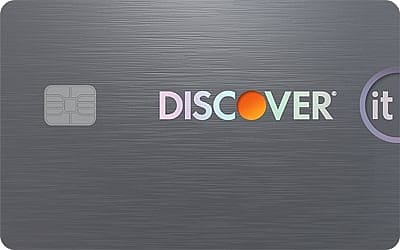
1. Discover it® Secured Credit Card
The Discover it Secured is the gold standard for bad credit cards — and it’s been that way for a few years running. No annual fee, real cash-back rewards, and a genuine path to graduating to an unsecured card. That combination is genuinely rare in this tier.
What separates it from other secured cards is the first-year cash back match. Every dollar you earn in year one gets doubled automatically. If you earn $60 in rewards, Discover adds another $60. You’re building credit and getting paid to do it — that’s hard to beat anywhere in this category.
Discover automatically reviews your account after seven months to see if you qualify for an unsecured card and your deposit back. They report to all three bureaus, and their mobile app is excellent for tracking spending and payments.
✅ Pros
- No annual fee — zero cost to hold
- 2% cash back at gas stations and restaurants (up to $1,000/quarter)
- First-year cash back match
- Auto upgrade review at 7 months
- Reports to all 3 bureaus
❌ Cons
- $200 minimum deposit required upfront
- Discover is less accepted internationally
- High APR if you carry a balance
Lowest Deposit
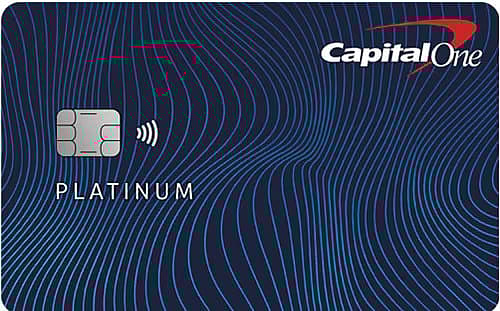
2. Capital One Platinum Secured Credit Card
If putting together $200 for a deposit is genuinely difficult right now, Capital One Platinum Secured is worth a serious look. Depending on your financial profile, you may qualify for a deposit as low as $49 — one of the lowest in the entire secured card market.
There’s no annual fee and Capital One automatically reviews you for a higher credit limit after six months of on-time payments — without requiring an additional deposit. That credit limit increase matters because it directly lowers your utilization ratio, which can nudge your score upward faster.
Capital One’s app is consistently rated among the best in the industry, making it easy to set up autopay and track your credit score monthly with CreditWise.
✅ Pros
- Deposit as low as $49
- No annual fee
- Auto credit limit review at 6 months
- Reports to all 3 bureaus
- Free CreditWise credit monitoring
❌ Cons
- No rewards of any kind
- High APR (29.99%)
- Low starting credit limit
No Credit Check
3. OpenSky® Secured Visa® Credit Card
OpenSky is genuinely different from the rest of this list: no credit check, no bank account required. You can fund your deposit with a money order or Western Union. For people who’ve been denied everywhere else — or who are working through a bankruptcy or financial crisis — this is one of the most accessible paths available.
The absence of a credit check means no hard inquiry on your report. OpenSky still reports to all three credit bureaus, so your on-time payments build your score normally. The $35 annual fee is the trade-off, but for many applicants in this position it’s a fair price for guaranteed access.
The downside: there’s no formal upgrade path. When you’re ready to move to an unsecured card, you’ll need to apply elsewhere. But as a starting point, it’s hard to beat for accessibility.
✅ Pros
- No credit check — no hard inquiry
- No bank account needed
- Accepts money order and Western Union deposits
- Reports to all 3 bureaus
❌ Cons
- $35 annual fee
- No rewards program
- No built-in upgrade path to unsecured

Zero Interest
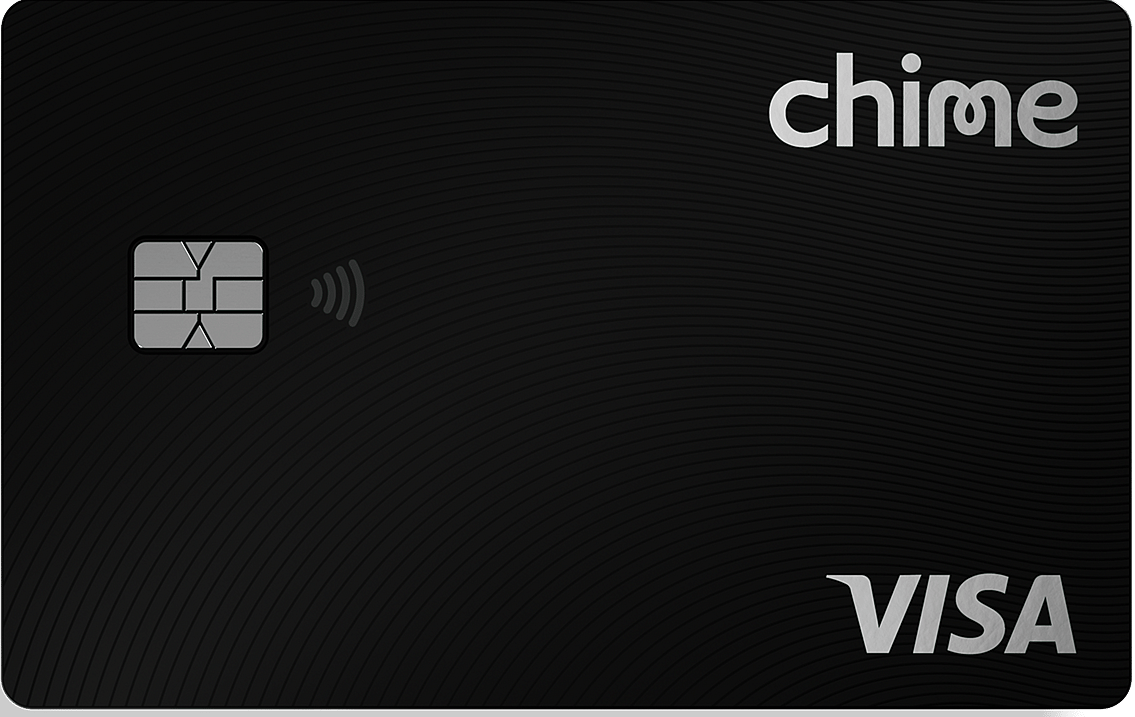
4. Chime Credit Builder Visa® Secured Card
Chime Credit Builder is unlike any other card on this list. Instead of a traditional deposit, you move money from your Chime Spending Account into a Credit Builder account — and that becomes your spending limit. There’s no interest, no annual fee, and no credit check.
The standout feature is called “Safer Credit Building” — it automatically pays your full balance each month using your Credit Builder funds. You genuinely cannot miss a payment. For someone who’s struggled with missed payments in the past, that auto-pay safety net is a real game-changer.
The catch: you need an active Chime Spending Account to qualify. But if you’re open to using Chime as your day-to-day bank, this is one of the most beginner-proof credit-building tools available in 2026.
✅ Pros
- 0% interest — never charged interest
- No annual fee, no credit check
- Auto-pay feature prevents missed payments
- No minimum deposit amount
- Reports to all 3 bureaus
❌ Cons
- Requires a Chime Spending Account
- App-only — no physical branches
- No rewards program
No Upfront Cash
5. Self Credit Builder Account + Secured Visa®
Self takes a different approach entirely. You start with a Credit Builder Account — essentially a small installment loan where your payments go into a savings account rather than to a lender. After building up enough savings, you unlock a secured Visa card with no additional deposit required.
It builds two things at once: installment loan history and revolving credit history. That credit mix can help your score more than a card alone. Self reports to all three bureaus for both the loan and the card.
The trade-off is that it’s slower to get started than a traditional secured card, and there are fees attached to the Credit Builder Account. But if you have no cash for a deposit right now and want to start building immediately, it’s a genuinely useful option.
✅ Pros
- No upfront deposit needed for the card
- Builds both installment and revolving credit history
- Reports to all 3 bureaus
- Builds savings while building credit
❌ Cons
- Admin fee on the Credit Builder Account
- Slower process than a direct secured card
- Card only unlocked after savings milestone

Unsecured Option
6. Credit One Bank Platinum Visa® for Rebuilding Credit
Credit One Bank specifically targets people with bad to fair credit, and it’s one of the few unsecured cards available in the 300–579 range — meaning no deposit required. That makes it appealing if you genuinely can’t tie up $200 in a security deposit.
You earn 1% cash back on eligible purchases, which is a bonus at this credit tier. Credit One reports to all three bureaus and offers free monthly credit score tracking. The annual fee is real though — up to $99 — and the fee structure can feel opaque compared to Capital One or Discover.
Go in with eyes open: this card costs more than a secured option. If you can put down a deposit, Discover it Secured is a better deal financially. But if no deposit is truly your only path, Credit One is a legitimate (if expensive) entry point.
✅ Pros
- No deposit required — truly unsecured
- 1% cash back on eligible purchases
- Accepts very low credit scores
- Reports to all 3 bureaus
❌ Cons
- Annual fee up to $99
- High APR
- Complex fee structure — read the fine print
- Customer service reviews are mixed
Transparent Terms
7. Mission Lane Visa® Credit Card
Mission Lane built their entire brand around being straightforward with people rebuilding credit — and it shows. When you pre-qualify, they show you exactly what your terms will be before you submit a full application. No surprises after the hard inquiry. That transparency alone puts them ahead of most competitors in this tier.
It’s an unsecured card, so no deposit is needed. Annual fees vary depending on your credit profile — some applicants get $0, others see up to $59. Credit limit increases are available after demonstrating consistent payments.
There’s no rewards program to speak of, but Mission Lane isn’t trying to be a rewards card. It’s a clean, honest tool for rebuilding credit without getting hit by predatory fees or confusing terms.
✅ Pros
- Shows full terms before you apply — no surprises
- Some applicants qualify for $0 annual fee
- Unsecured — no deposit required
- Reports to all 3 bureaus
- Credit limit increase path after responsible use
❌ Cons
- Annual fee may be up to $59
- No rewards program
- Smaller brand with fewer perks

Secured vs. Unsecured Credit Cards for Bad Credit
This is the most common question people have when they start looking at bad-credit options. Here’s the honest breakdown:
Secured cards require a cash deposit — usually $200 to $500 — which becomes your credit limit. You use the card normally, and the issuer reports your activity to the bureaus. After 6–12 months of on-time payments, most secured card issuers will review your account for an upgrade and return your deposit.
Unsecured cards don’t require a deposit. But to offset the risk of lending to someone with bad credit, they typically charge higher annual fees and APRs. Some are legitimate and worth the cost. Others are predatory and should be avoided entirely.
| Secured Card | Unsecured Card | |
|---|---|---|
| Deposit required | Yes ($200–$500 typical) | No |
| Approval odds (bad credit) | High | Moderate |
| Annual fees | Usually $0 | $35–$99 typical |
| Builds credit equally? | Yes ✅ | Yes ✅ |
| Upgrade path | Often yes (deposit returned) | Limit increases over time |
| Best for | Most bad-credit applicants | Those who truly can’t deposit |
How to Choose the Best Credit Card for Bad Credit
Not all bad-credit cards are built alike. Here’s what actually matters when you’re evaluating your options:
🏆 Reports to All Three Bureaus: This is non-negotiable. If a card only reports to one or two bureaus, your credit building is incomplete. Every card on this list reports to Experian, Equifax, and TransUnion.
- Annual fee vs. deposit: A no-fee secured card is almost always better than a fee-heavy unsecured card. Run the math on what the card will actually cost you over 12 months.
- Upgrade path: Does the issuer have a product you can graduate to? Getting a limit increase or converting to an unsecured card without closing your account protects your credit history length.
- APR: High APRs are the norm at this tier. But there’s a huge difference between 25% and 35%. If you think you might carry a balance, this matters enormously.
- Avoid predatory fee structures: Some cards charge processing fees, monthly maintenance fees, and program fees on top of an annual fee — reducing your available credit before you’ve even used the card. Walk away from these.
- Mobile app quality: Sounds minor, but a good app makes it far easier to stay on top of payments and catch errors. This directly affects your score.
How to Rebuild Your Credit Score in 2026
Getting the right card is step one. Here’s what to actually do with it.
🏆 Payment History (35% of FICO): This is the single most important thing you can do. Pay on time, every single month. Even just the minimum. Set up autopay right when you get the card — future you will thank present you.
- Credit Utilization (30%): Keep your balance below 30% of your credit limit at all times — ideally under 10%. If your limit is $300, try not to carry more than $90 on the card. This has an almost immediate effect on your score once balances are reported.
- Length of Credit History (15%): Don’t close your first card once you upgrade. Keep it open and use it for a small purchase every few months. The age of your oldest account helps your score.
- Credit Mix (10%): Having a mix of revolving credit (cards) and installment loans (like a Self Credit Builder loan or an auto loan) helps. Don’t take on debt you can’t afford just for the mix — but it’s good to know this factor exists.
- New Inquiries (10%): Every hard inquiry drops your score by roughly 5 points. Apply only when you’re ready, and space applications at least 3–6 months apart.
Check your credit report for errors. This is often overlooked — but a single incorrect collection account or a payment marked late that wasn’t late can drop your score significantly. Visit AnnualCreditReport.com — the only federally authorized source for free credit reports — to pull your free reports from all three bureaus. If you find an error, you have the right to dispute it directly with the bureau; the CFPB’s credit reporting guide walks you through exactly how.
Realistic timeline: With consistent on-time payments and utilization under 30%, most people with a score in the 500s can reach the 600–640 range within 12 months. Reaching 670+ (good credit) typically takes 18–24 months of consistent habits.
Related Guides to Help You Rebuild
- Best Credit Cards for Fair Credit (2026 Expert Guide) — your next step once you cross 580
- Best Credit Cards for Beginners With No Credit History (2026 Ultimate Guide) — a similar starting point with slightly different card options
Frequently Asked Questions
Can I get a credit card with a 500 credit score?
Yes. A 500 credit score is in the “bad credit” range, but there are cards specifically designed for it. Secured cards like the Discover it Secured or Capital One Platinum Secured accept applicants at this score. The OpenSky Secured and Chime Credit Builder require no credit check at all. Unsecured options like Credit One Bank and Mission Lane also accept scores in the 500s, though fees are higher.
Are “guaranteed approval” credit cards real?
Not exactly. No legitimate card can truly guarantee approval — issuers still verify your identity, income, and other factors. What’s real is that some cards, like OpenSky and Chime Credit Builder, don’t run a traditional credit check. That makes them very close to guaranteed for most applicants. Be skeptical of any card aggressively marketing “guaranteed approval” — the CFPB warns that this language is often a red flag for predatory fees.
How fast can I rebuild credit from bad to fair?
With consistent on-time payments and low utilization, most people see meaningful improvement in 6–12 months. Crossing from bad (below 580) to fair credit (580–669) typically takes about a year of responsible card use. Reaching good credit (670+) takes 18–24 months for most people starting from the 500s range. You can learn more about how each factor is weighted at myFICO’s credit education center. There are no legitimate shortcuts — but the path is clear and absolutely achievable.
Do secured cards actually build credit?
Yes — exactly as well as unsecured cards. The deposit just protects the bank. From a credit bureau standpoint, a secured card is reported identically to a regular card. Your on-time payments, utilization, and account age all count the same way. The only thing that matters for credit building is that the issuer reports to all three bureaus — which every card on this list does.
What is the easiest credit card to get approved for with bad credit?
The OpenSky Secured Visa and Chime Credit Builder are the easiest — both require no credit check at all. OpenSky doesn’t even require a bank account. For applicants who have a bank account and can put down $200, the Discover it Secured and Capital One Platinum Secured have high approval rates for people in the 300–579 range.
Will applying hurt my already-low credit score?
A hard inquiry typically drops your score by about 5 points temporarily. That’s not catastrophic — but on a score already in the 500s, it can sting. Always use a pre-qualification tool first (soft pull, no impact). OpenSky and Chime skip the credit check entirely, so applying for those won’t affect your score at all.
Should I get a secured or unsecured card for bad credit?
If you can put down $200, go secured. You’ll pay fewer fees, and you get the money back when you upgrade. Unsecured bad-credit cards typically charge $35–$99 in annual fees to offset the lender’s risk — that’s money you don’t get back. The one exception: if a deposit is genuinely not possible for you right now, Mission Lane or Credit One Bank are reasonable unsecured options to consider.
Can becoming an authorized user help my credit?
Yes, and it’s one of the fastest ways to get a score boost. If a parent, spouse, or trusted family member adds you to their credit card as an authorized user, their payment history and account age can show up on your credit report. You don’t even need to use the card. Just make sure the account has a good payment history — a card with missed payments will hurt your score, not help it.