No credit history? No problem. Here’s exactly where to start.
No credit history? Getting rejected for a credit card feels awful. You need credit to build credit — but no one will give you credit. It sounds like a trap, and honestly, it can feel that way.
The good news: there are credit cards made specifically for people with no credit history. Whether you are a college student, a recent immigrant to the U.S., or just starting out as a young adult, the right card exists for you — and it is easier to get than you think.
In this guide we cover the best credit cards for beginners with no credit history — including both secured cards (which require a small deposit) and unsecured cards (no deposit needed). We explain what to look for, how to get approved, and how to build a strong credit score in 6–12 months.
⚡ Key Takeaways
- You can get a credit card with no credit history — you just need to know where to look.
- Secured cards (small deposit required) are the easiest way to get started and build credit fast.
- There are also unsecured beginner cards — no deposit needed — including options for college students.
- Always pick a card that reports to all 3 bureaus: Experian, Equifax, and TransUnion.
- Most beginners can build a solid credit score in 6–12 months by following the simple steps in this guide.
Can You Get a Credit Card With No Credit History?
Yes — but your options are more limited than someone with an established score. That is totally normal, and it does not mean you are stuck.
You have never had a credit card or loan. You are starting fresh. Banks have no data on you — but they have options for you.
You’ve had credit before but missed payments or defaulted. This is different from no credit and requires a different recovery path.
Why do banks hesitate with no-credit applicants? They simply have no data. They do not know if you will pay them back — so many require a security deposit or limit your credit line. Once you demonstrate responsible use, doors open fast.
What lenders look for when you have no credit:
- Steady income (even a part-time job helps)
- A valid Social Security Number or ITIN
- Proof you are 18 or older
- A U.S. bank account (in most cases)
What to Look for in a Beginner Credit Card
Not all beginner credit cards are the same. Here are the most important features to evaluate before you apply.
No Annual Fee
An annual fee is a yearly charge just for having the card. As a beginner, avoid it. There are plenty of good starter cards that charge $0 per year.
Reports to All 3 Bureaus
Your card must report to Experian, Equifax, and TransUnion. That is how your credit score gets built. One bureau is not enough.
Low Security Deposit
For secured cards, look for a deposit as low as $200. You usually get it back when you upgrade to an unsecured card — it is not lost money.
Upgrade Path
The best starter cards let you upgrade to a regular unsecured card after 6–12 months of good behavior. You should not be stuck with a starter card forever.
Rewards (Bonus)
Not essential, but some beginner cards offer 1%–5% cash back. If you can get rewards on a no-fee beginner card — great. It is a nice bonus while building credit.
Good Mobile App
A solid app makes it easy to track spending, set up autopay, and monitor your credit score. This matters more than most beginners realise.
Best Credit Cards for Beginners With No Credit History (2026)
Here are seven cards that work well for people just starting out — a mix of secured and unsecured options.
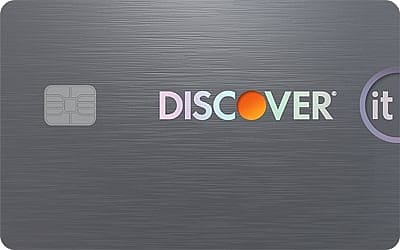
1. Discover it® Secured Credit Card
The Discover it Secured card is one of the most beginner-friendly options on the market. It requires a refundable deposit, but it works like a real credit card — and it earns rewards while you build your score. That combination is rare at this level.
Discover automatically reviews your account after 7 months to see if you qualify to move to an unsecured card. They report to all three credit bureaus. The first-year cash back match is a genuine perk — every dollar you earn in year one gets doubled automatically.
✅ Pros
- No annual fee
- 2% cash back at gas & restaurants
- First-year cash back match
- Auto upgrade review at 7 months
- Reports to all 3 bureaus
❌ Cons
- $200 deposit required upfront
- Discover less accepted internationally
- High APR if you carry a balance
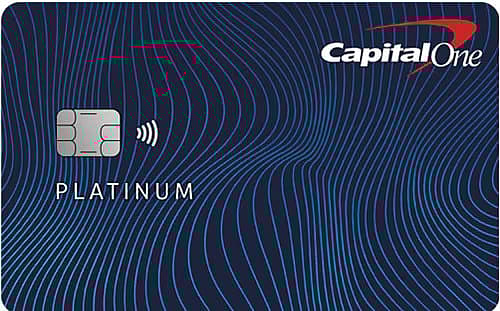
2. Capital One Platinum Secured Credit Card
If saving $200 for a deposit is difficult, the Capital One Platinum Secured card is worth a close look. Depending on your financial profile, you may qualify for a deposit as low as $49 — one of the lowest in the industry.
Capital One automatically considers you for a higher credit limit after six months of on-time payments — without requiring another deposit. The card reports to all three bureaus and has no annual fee. Their mobile app makes it easy to track payments.
✅ Pros
- Deposit as low as $49
- No annual fee
- Auto credit limit review at 6 months
- Reports to all 3 bureaus
- Great mobile app
❌ Cons
- No rewards program
- High APR (29.99%)
- Low starting credit limit
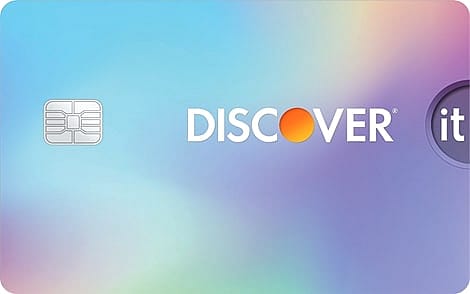
3. Discover it® Student Cash Back Card
If you are a college student, the Discover it Student Cash Back card was built for you. It is unsecured (no deposit needed), has no annual fee, and comes with one of the strongest cash back programs available to beginners.
Earn 5% cash back in rotating quarterly categories — Amazon, restaurants, gas stations — plus 1% on everything else. In your first year, Discover matches every dollar of cash back you earn. That can mean real money back for everyday student spending.
✅ Pros
- No deposit, no annual fee
- 5% cash back in rotating categories
- First-year cash back match
- Lower APR floor (18.24%)
- Good Grades Reward ($20 credit for 3.0+ GPA)
❌ Cons
- Must be an enrolled student
- 5% categories must be activated quarterly
- Discover less accepted internationally
4. OpenSky® Secured Visa® Credit Card
OpenSky is unique because it does not run a credit check and does not require a bank account. You can pay your deposit by money order or Western Union. This makes it one of the most accessible starter cards for people in difficult situations.
No credit check means no hard inquiry on your report. OpenSky reports to all three credit bureaus, so you build credit normally. It is a solid option for recent immigrants, people recovering from past issues, or anyone who has been denied elsewhere.
✅ Pros
- No credit check required
- No bank account needed
- Reports to all 3 bureaus
- Accepts money order deposits
❌ Cons
- $35 annual fee
- No rewards program
- No built-in upgrade path
- Must apply for a new card when ready to move on

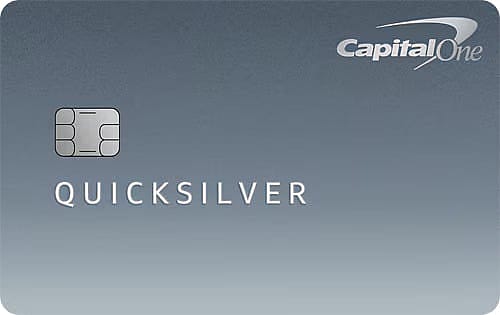
5. Capital One Quicksilver Student Cash Rewards Credit Card
The Capital One Quicksilver Student card offers a flat 1.5% cash back on every purchase — no categories to track, no activation needed. Simple and clean. Perfect for students who want rewards without the mental overhead.
The flat-rate rewards structure is genuinely ideal for beginners. You never have to think about which category you are shopping in. Capital One also automatically reviews your account for a credit limit increase after 6 months, and the card has no foreign transaction fees.
✅ Pros
- Unlimited 1.5% cash back — no categories
- No annual fee, no foreign transaction fees
- Auto credit limit review at 6 months
- Easy to use for beginners
❌ Cons
- Must be a student to apply
- Lower rewards than rotating category cards
- APR ceiling can be high
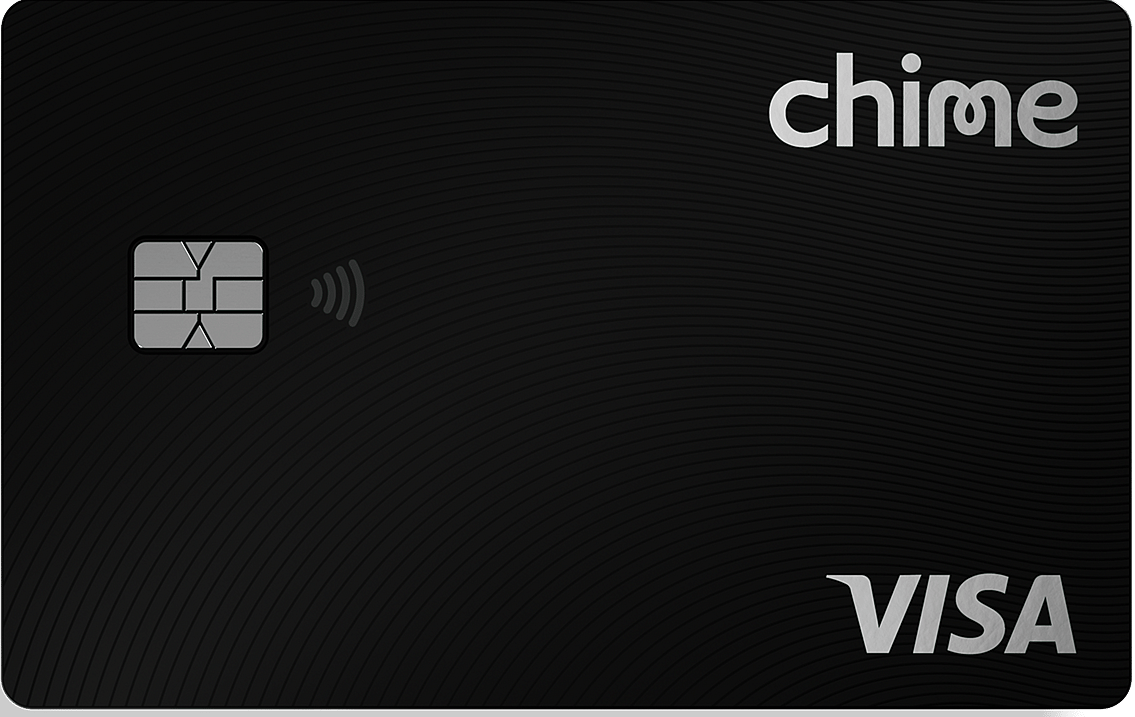
6. Chime Credit Builder Visa® Secured Card
Chime Credit Builder is a completely different kind of secured card. Instead of a traditional deposit, you move money into a Credit Builder account — and that becomes your spending limit. There is no minimum deposit, no interest charges, and no credit check.
The “Safer Credit Building” feature automatically pays your balance at the end of each month using your Credit Builder funds — so you literally cannot miss a payment. Chime reports to all three credit bureaus. Zero annual fee, zero interest — it is genuinely beginner-proof.
✅ Pros
- 0% interest — no interest charges ever
- No credit check, no annual fee
- Auto-pay feature prevents missed payments
- No minimum deposit amount
- Reports to all 3 bureaus
❌ Cons
- Requires a Chime Spending Account
- App-only — no physical branches
- No rewards program
Quick Comparison: All 7 Cards at a Glance
| Card | Annual Fee | Deposit | Rewards | Credit Check | Best For |
|---|---|---|---|---|---|
| Discover it® Secured | $0 | $200 min | 2% gas/dining | Yes | Best overall |
| Capital One Platinum Secured | $0 | As low as $49 | None | Yes | Lowest deposit |
| Discover it® Student | $0 | None | 5% rotating | Yes | Best student rewards |
| OpenSky® Secured | $35 | $200 min | None | None | No bank account needed |
| Capital One Quicksilver Student | $0 | None | 1.5% flat | Yes | Simplest rewards |
| Chime Credit Builder | $0 | None (flexible) | None | None | Zero interest / fintech |
Secured vs. Unsecured Credit Cards — Which Is Better?
Secured cards require you to put down a cash deposit. That deposit usually becomes your credit limit. If you put down $200, your limit is $200. The bank keeps it in case you do not pay.
Unsecured cards do not require a deposit. The bank extends credit based on your income, age, and other factors. These are harder to get with no credit history.
The short answer: if you have zero credit history, start with a secured card. It is easier to get approved, and it works just as well for building your score. Once your score reaches around 640–660, you will qualify for unsecured cards.
| Feature | Secured Card | Unsecured Card |
|---|---|---|
| Deposit Required | Yes (usually $200–$500) | No |
| Approval Odds | High | Medium |
| Builds Credit | Yes ✅ | Yes ✅ |
| Best For | No credit at all | Some credit history |
| Credit Limit | Equals your deposit | Set by lender |
| Upgrade Path | Often yes | Yes |
How to Get Approved With No Credit History
Even part-time work or financial aid can count. Most cards require some form of income. Report everything you legally receive.
These are the easiest to get and work great for building credit. The deposit is refundable — it is not lost money.
Student cards are designed for beginners and often do not require credit history. They are among the best unsecured options available to you.
Ask a parent or trusted family member to add you to their credit card account. Their good payment history can boost your score even before you have your own card.
Each application triggers a hard inquiry. Too many in a short period signals risk to lenders and lowers your approval odds across the board.
How to Build Credit Fast as a Beginner
🏆 Payment History (35% of your score): This is the single most powerful thing you can do. Never miss a payment. Set up autopay for at least the minimum due. One missed payment can hurt a brand-new credit profile significantly — and it takes months to recover.
- Keep your balance under 30% of your limit. If your limit is $200, try not to carry more than $60 on the card. This is called credit utilization — lower is always better. Under 10% is ideal.
- Don’t close your first card. Length of credit history matters. Even after you upgrade to a better card, keep your first account open and use it occasionally.
- Monitor your credit score monthly. Most cards now offer free credit score tracking through their app. Watch your progress and catch any errors early.
- Don’t apply for multiple cards at once. One card at a time. Build your score for 6–12 months, then consider a second card if needed.
Common Mistakes Beginners Make
Every application is a hard inquiry. Multiple inquiries in a short window signal risk to lenders and lower your approval odds.
This is the worst thing you can do early on. Set a calendar reminder or turn on autopay for at least the minimum payment.
Spending up to your limit raises your utilization rate and lowers your score. Use the card for small purchases and pay it off each month.
You are entitled to a free report from each bureau at AnnualCreditReport.com. Check for errors — mistakes happen and they can hurt your score.
Closing your first card reduces your credit history length and total available credit. Keep it open unless there is a compelling reason to close it.
Frequently Asked Questions
Can I get a credit card with no job?
Technically, yes — but it is harder. Credit card applications ask for income, not just employment. Financial aid, allowances, scholarships, or regular money from a family member may count as income. Check the specific card’s requirements before applying.
What credit score do I start with?
You do not start with a score of zero. Most people begin with no score at all — sometimes called a “thin file.” Once you open a credit account and use it for about 3–6 months, the bureaus generate your first score. It typically starts in the 580–630 range with responsible use.
How long does it take to build credit?
You can build a decent credit score in 6–12 months with consistent on-time payments and low balances. To reach a “good” score above 700, plan on 12–24 months of responsible card use. The timeline depends on how consistently you use the card and how low you keep your balances.
Do secured cards actually build credit?
Yes — as long as the issuer reports to all three credit bureaus. A secured card works exactly like a regular credit card in terms of credit reporting. The deposit just protects the bank. Your on-time payments are recorded and help build your score the same way an unsecured card does.
Will applying for a credit card hurt my credit score?
Applying causes a hard inquiry, which can temporarily lower your score by a few points. This usually recovers within a few months. The key is not to apply for multiple cards at once — space applications at least 3–6 months apart.
What if I am not a U.S. citizen?
You can still apply with an Individual Taxpayer Identification Number (ITIN) if you do not have a Social Security Number. The OpenSky Secured card, Chime Credit Builder, and some credit unions are particularly immigrant-friendly. Building U.S. credit history takes time but is absolutely achievable.
Conclusion: You Can Build Credit — Starting Today
Getting your first credit card with no credit history is absolutely possible. It is not as hard as it might feel. Thousands of people do it every month — and you can too.
The key is to start smart. Pick the right card for your situation, use it for small purchases, and pay your bill on time every single month. That is it. Most people see real credit score growth within 6–12 months of doing exactly this.
Remember:
- ✅ A secured card is a great starting point — the deposit is refundable
- ✅ Student cards are designed for beginners like you
- ✅ Paying on time is the single most powerful thing you can do
- ✅ One card, used responsibly, is all you need to get started
Compare the cards above and choose the one that fits your situation. Whether you go secured or unsecured, what matters most is that you start. Your future self will thank you.
Related Guides
- Best Credit Cards for Fair Credit (2026)
- Best Secured Credit Cards of 2026
- How to Improve Your Credit Score Fast
- What Is a Good Credit Score?
- Credit Utilization Explained: The 30% Rule